Foot Fungus: What is it? Causes and Treatments
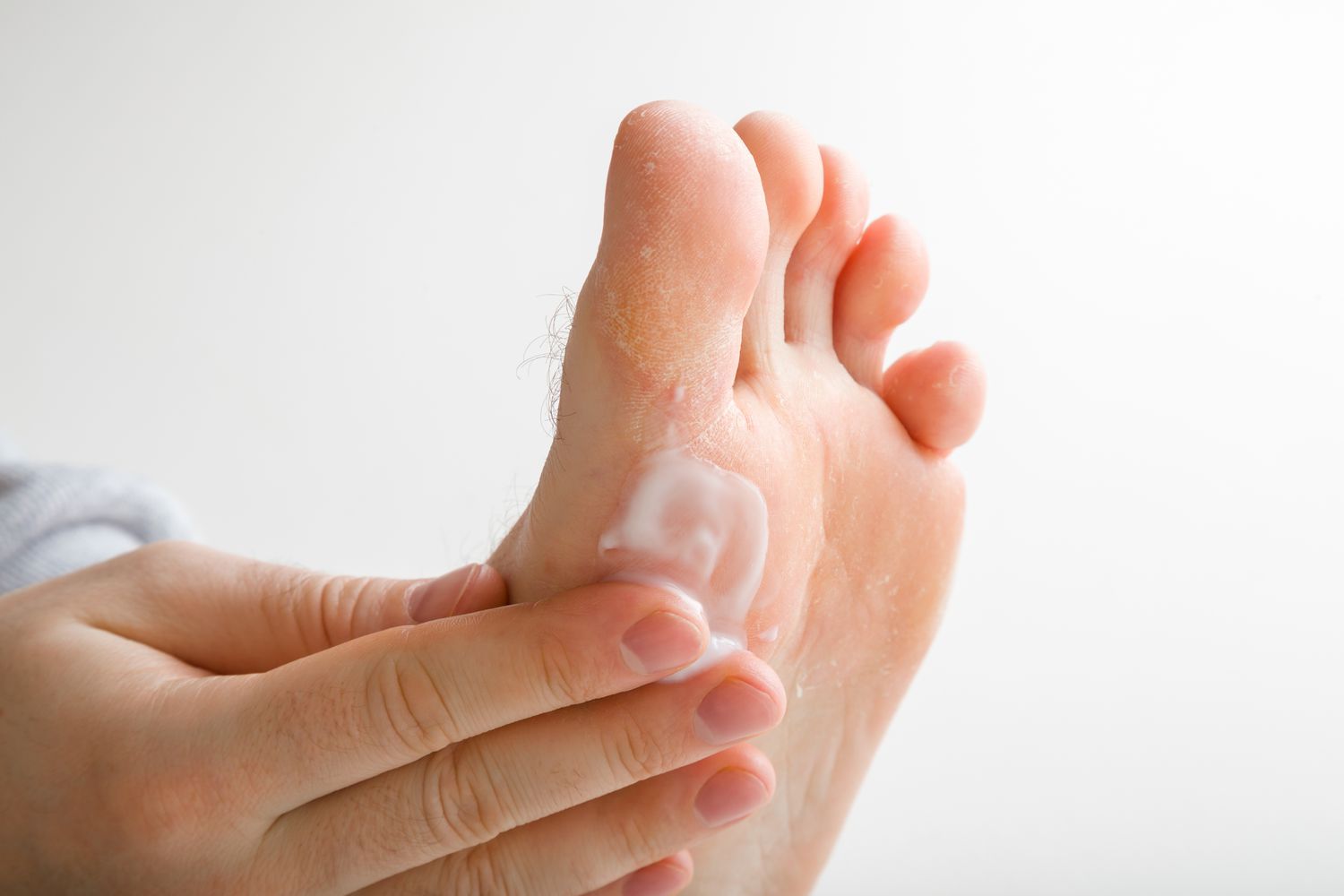
Do you suffer from itchy feet? Is the skin red, irritated, and cracking, or is your nail yellow and brittle? These discomforts may be caused by a fungus. Foot fungus is common and requires appropriate antifungal treatment. Discover our tips and tricks to overcome this infection and regain healthy feet.
Foot Fungus, a Common Infection
Foot fungus is a common infection. It can affect different areas of the body, such as the mucous membranes or skin folds. Foot fungus, also called ringworm or tinea pedis, is the most common in adults. It can affect:
- The skin. The lesions most often appear between the toes, particularly between the third and fourth or the fourth and fifth toes. Symptoms include redness and itching, sometimes accompanied by blisters, cracks, and peeling. Without treatment, the lesions continue to spread and progress to the top of the foot, the sole, and the nail.
- The nail. This is called onychomycosis. The affected nail thickens. It takes on a whitish or yellow color. Weakened, it becomes brittle and can peel off.
It is common for a skin fungus left untreated to spread to the nail and vice versa, hence the importance of acting at the first signs. Fungus on the feet can sometimes cause symptoms similar to those of other conditions, such as eczema or psoriasis. If in doubt, consult your general practitioner. A simple visual examination of the nail or skin can usually make the diagnosis.
Foot Fungus: What Are the Causes?
Most often, fungi from the dermatophyte family or yeasts cause foot fungus. If the right conditions are met, these fungi can colonize the skin or nails and develop rapidly. Fungal infections can have several causes:
- They can infect the skin or nails following direct contact. For example, walking on contaminated soil. It’s important to know that the fungi that cause fungal infections thrive in humid environments. They provide ideal conditions for them to proliferate. You are more at risk of contracting a fungal infection if you frequent swimming pools, saunas, gyms, and shared showers. The fungus can also be transmitted by using other people’s belongings: shoes, towels, pedicure tools, etc.
- Excessive sweating of the feet. This is particularly the case for athletes – a fungal infection of the feet is also called athlete’s foot. Athletes aren’t the only ones: workers who wear safety shoes all day long, or simply people suffering from plantar hyperhidrosis, are at greater risk of developing a fungal infection. Yeast, naturally present on the surface of the skin, takes advantage of this increased humidity to multiply and colonize the nail or epidermis.
Good to know: skin lesions facilitate contamination. Be extra vigilant if this applies to you.
A few simple steps can prevent athlete’s foot, but you just need to know and apply them!
How to prevent athlete’s foot?
Getting rid of a fungal infection is often a long-term process. It takes several weeks and a lot of patience to get rid of the fungus. The best antifungal treatment often lies in prevention. You can easily prevent the appearance of ringworm by adopting good habits and addressing the factors that contribute to it.
- Avoid walking barefoot in public places. This is especially recommended if you frequent the pool, gym, sauna, or any other area with many people. A pair of sandals will effectively prevent contamination!
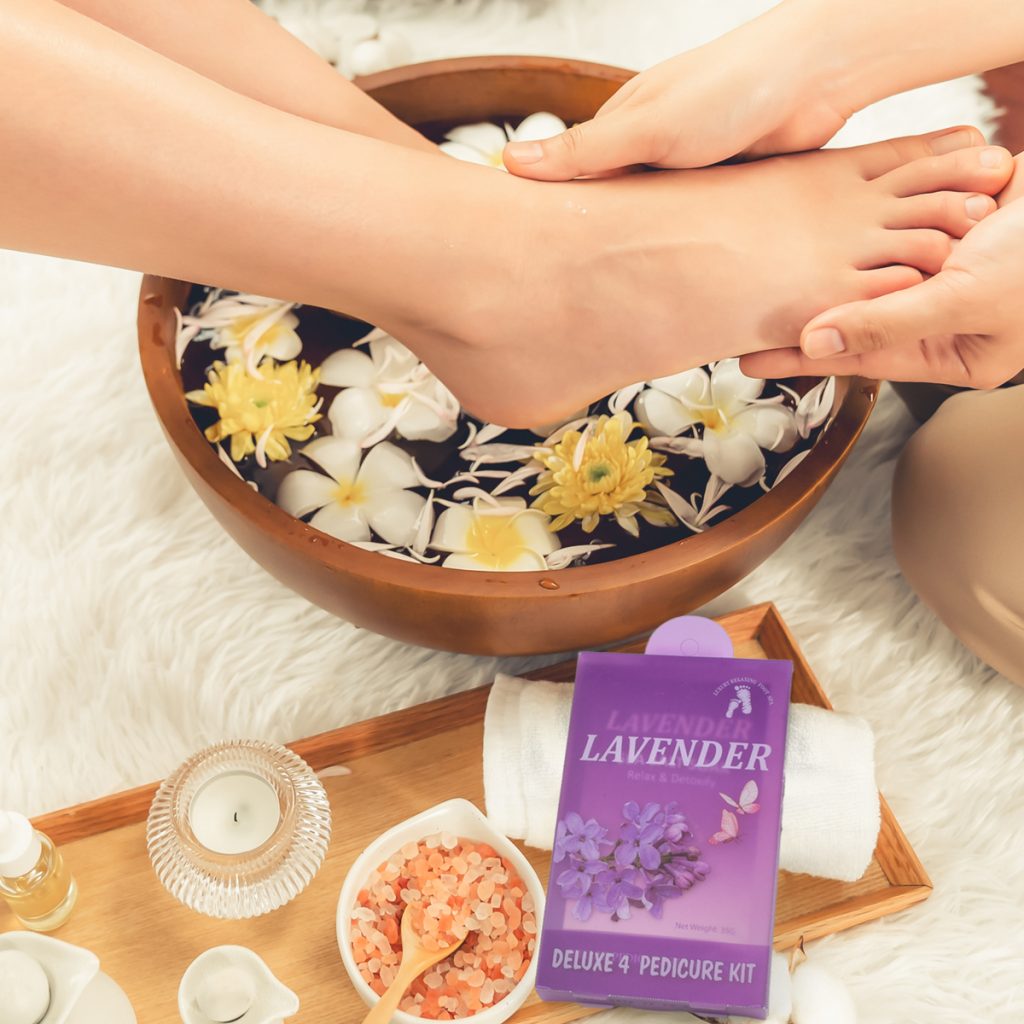
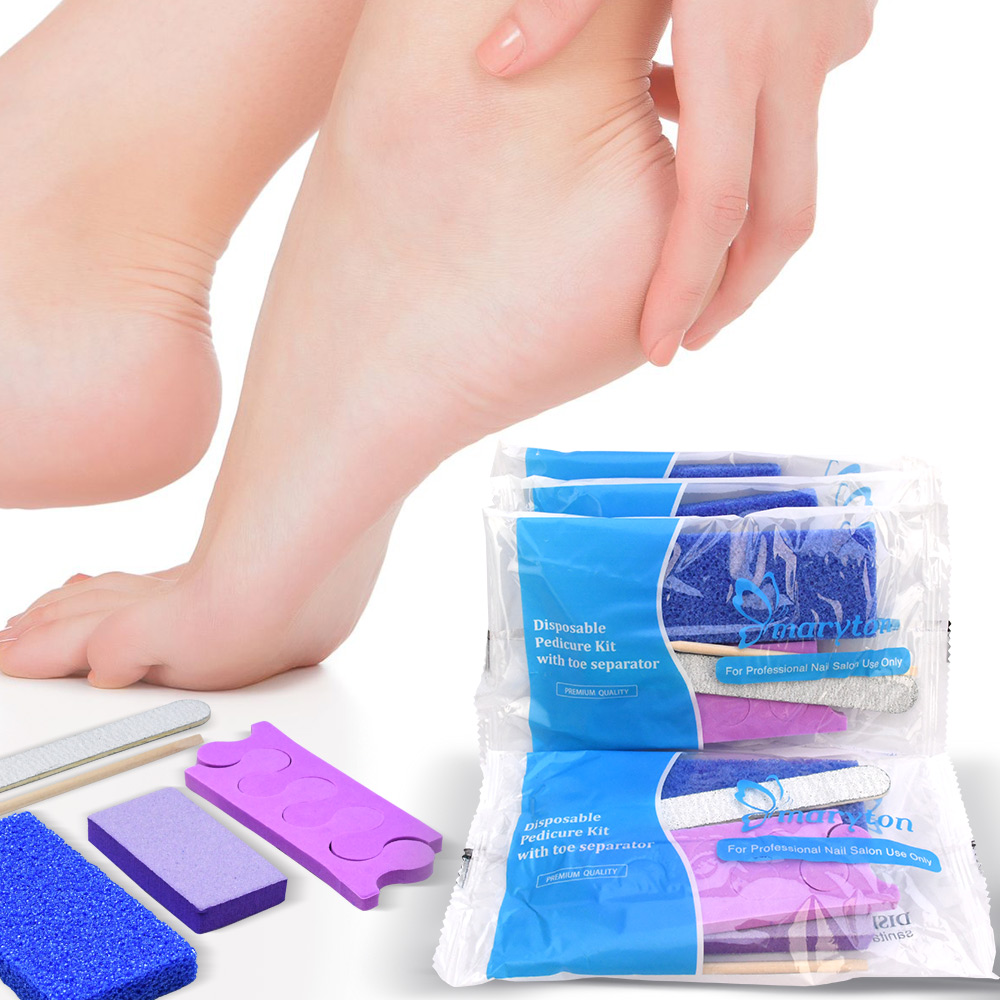
- Don’t share towels or shoes; If you need a pedicure, it is recommended that you use a disposable pedicure kit.
- Regularly wash your bath mats, bathtub, and bedding to prevent the spread of infection within your family.
If your feet sweat profusely:
- Choose breathable socks and shoes. For example, leather or canvas shoes and cotton socks. Conversely, avoid synthetic materials like nylon as they promote perspiration.
- Allow your shoes to dry thoroughly before wearing them again. Ideally, alternate between several pairs.
- Wash your socks thoroughly and change pairs every day.
- Wash your feet daily and dry the area between your toes thoroughly to remove moisture and prevent maceration.
What treatment is available for foot fungus?
Do you suffer from fungal infection between your toes or toenail fungus? You need to act quickly because it can spread quickly. You also risk infecting loved ones. There are various solutions available to treat fungal infections at home, without necessarily consulting your general practitioner.
Foot baths, effective against fungal infections
Foot baths are a natural solution for fighting fungal infections. Fill a basin with hot water and add 4 tablespoons of baking soda. Baking soda is known for its antifungal properties. Soak your feet in this mixture every day for about fifteen minutes.
Alternatively, you can use essential oils with antifungal properties, such as Tea Tree essential oil. The latter is known for its powerful antibacterial properties. Simply add 10 drops to your foot bath. Make sure you have no contraindications to using an essential oil beforehand.
Antifungal and Antifungal Products
There are many antifungal products available over the counter. They come in the form of creams or gels to treat fungal infections between the toes, or as varnishes for nail fungus. These are most often products based on econazole, isoconazole, or terbinafine.
Depending on the case, your general practitioner may prescribe oral medications, prescription creams, or take a sample to determine the most appropriate treatment.
Read also: 4 Easy Steps to Happy, Healthy Feet at Home!





Post Comment